
Why Voice Search Schema Markup Is the Missing Piece in Your SEO Strategy
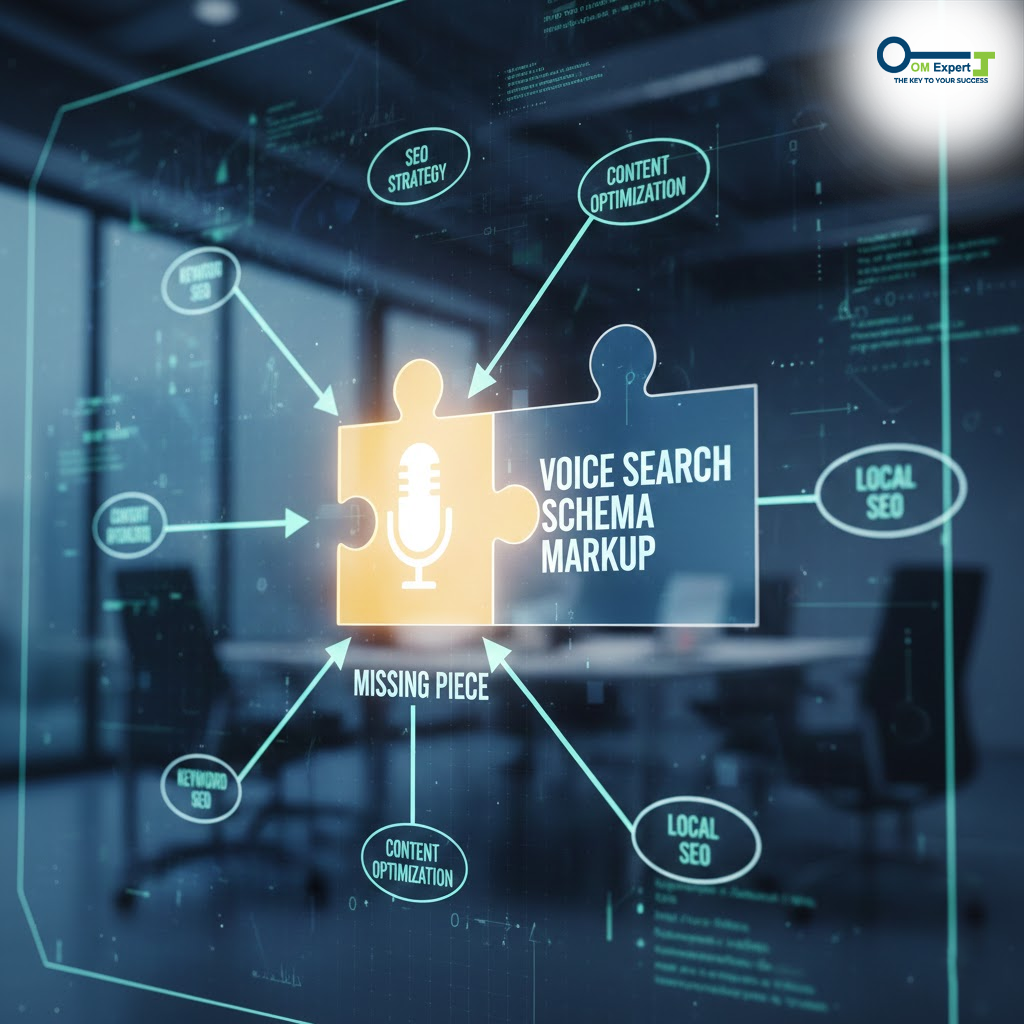
The majority of websites are unable to keep up with the rapid changes in search behavior. Search bars are no longer filled with short, robotic keywords. They are asking full questions. They are speaking to their phones while driving, cooking, shopping and working. You are already behind if your website isn’t ready for that change. This is where voice search schema markup becomes important.
It makes it easier for search engines to understand your material and utilize it in spoken results. Many companies spend money on technical SEO, backlinks and content, but often neglect structured data for voice inquiries. That gap often explains why competitors win featured answers while their pages stay invisible.
This just might do the trick to finish off all your hard SEO work and make it perfect.
Voice Search and Conversational Queries' Ascent
Voice search is no longer the most popular method for finding information. People usually conduct their day-to-day activities in this way. Digital assistants like Siri and Google Assistant draw millions of users every day. They ask which pizzeria is now operating closest to their location to show their need for pizza.
The way search engines present results is altered by these longer, organic queries.
Voice searches are usually:
- Longer and more conversational
- Question based
- Intent driven
- Local focused
- Immediate in nature
When someone speaks a query, search engines aim to provide one clear and direct answer. Not ten blue links. Just one strong result.
Even if your material is good, search engines could ignore it if it is not organized clearly. That is where Voice search schema markup supports your content. It organizes your data in a format that machines can understand easily.
What Schema Markup Actually Does
Schema markup is a type of structured data added to your website’s code. It helps search engines interpret the meaning behind your content.
For example, when you publish:
- A blog post
- A product page
- An FAQ section
- A local business page
- A review
Schema tells search engines what each section represents.
Instead of guessing what your page is about, Google receives clear signals. The chance of rich results, featured excerpts, and spoken responses is increased by this clarity.
Voice search schema markup makes your material eligible for voice assistant responses when it is optimized for voice inquiries. It improves your chances of being selected as the direct spoken answer.
Why Traditional SEO Is Not Enough Anymore
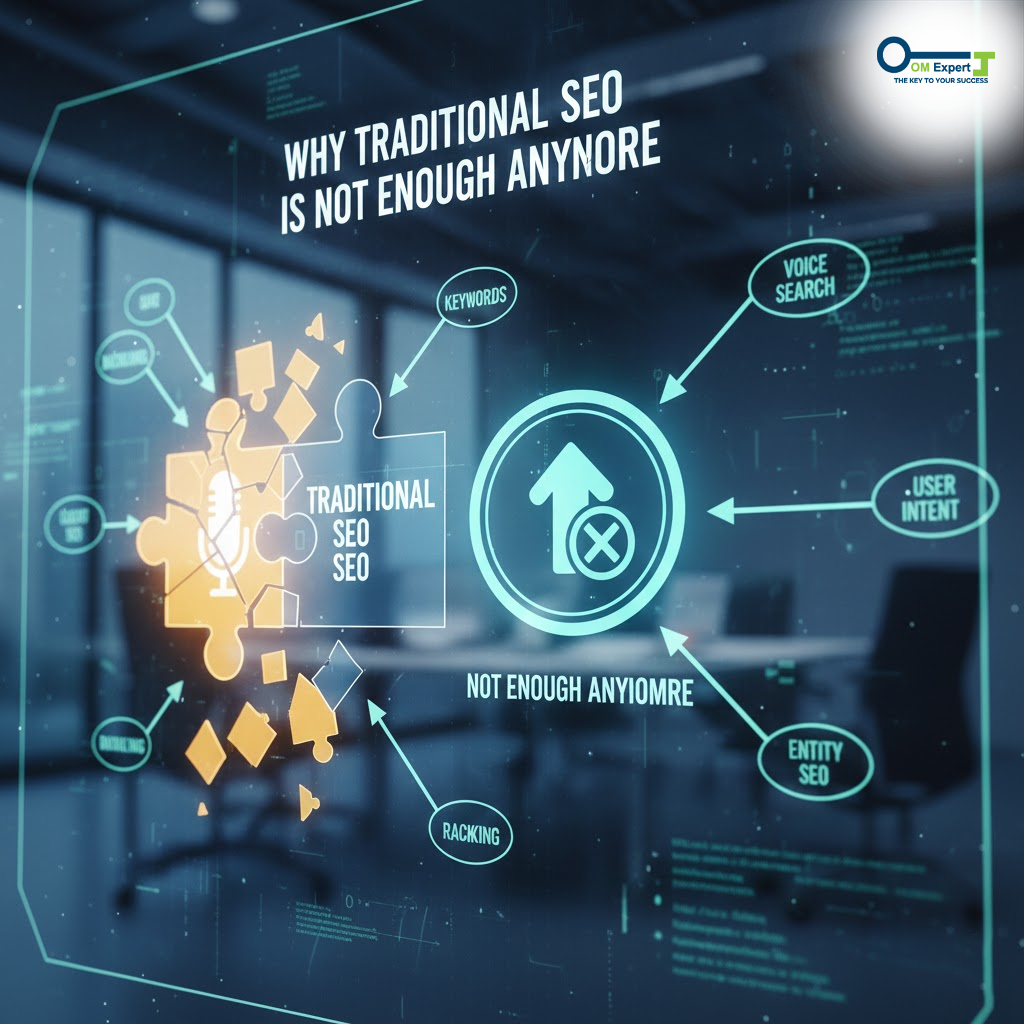
Many businesses focus only on:
- Keyword placement
- Backlinks
- Page speed
- Mobile friendliness
These are important. But they are not enough for voice search.
Voice queries demand structured answers. Search engines prefer content that:
- Clearly answers questions
- Uses simple language
- Provides short and accurate responses
- Is structured with a schema
Consider it this way. Traditional SEO helps you get on the results page. Structured data helps you get chosen as the answer.
That difference matters.
How Voice Search Changes User Intent
Voice users usually want fast solutions. They are not browsing casually. They are solving a problem.
Common voice search intents include:
- Local search
- Quick definitions
- How-to instructions
- Product comparisons
- Business information
For example:
- “What is schema markup?”
- “How do I optimize for voice search?”
- “Best SEO consultant near me”
To match this behavior, your content must directly answer these questions. Adding voice search schema markup makes it easier for search engines to extract and deliver your answers.
It increases clarity. It reduces confusion. It improves eligibility for rich snippets.
Benefits of Adding Structured Data for Voice Search

Let’s look at practical advantages and understand them in a deeper way.
1. Higher Chance of Featured Snippets
Voice assistants often pull answers from featured snippets. When your content is structured properly with schema, search engines can quickly identify direct answers within your page. This increases your chances of appearing in position zero, which is often the source for spoken results.
Featured snippets are not just about rankings. They are about authority. When Google selects your answer to display at the top, it signals trust. Over time, that trust builds brand recognition and credibility.
2. Better Visibility Without Extra Ads
Voice results usually read only one answer. Users do not scroll. They do not compare ten options. They hear one result and move on.
If your page becomes the selected result, your visibility increases without spending on paid ads. This makes structured data a cost-effective strategy. You gain attention by being relevant and clear, not by purchasing it.
3. Improved Local SEO
Local businesses benefit strongly when they use structured data properly. Information such as opening hours, address, phone number, customer ratings, and service areas becomes easier for search engines to understand.
When someone asks, “Is this store open now?” or “Where is the nearest digital marketing agency?” search engines rely on structured signals. Clear markup helps your business appear in those high-intent local voice searches.
4. Stronger Authority Signals
Structured content shows professionalism and technical awareness. It tells search engines that you care about proper optimization and accurate information.
Websites that consistently implement structured data often experience better indexing and improved rich results. This builds a stronger foundation for long-term SEO growth. Authority is not built only through backlinks. It is built through clarity and reliability.
5. Better User Experience
Clear structure improves readability for users, too. Visitors can find answers fast when your content is arranged into parts that are clearly defined, have simple steps and include frequently asked questions.
The process of arranging information frequently results in better layouts and more focused writing, even while schema operates in the background. This lowers bounce rates and increases engagement.
6. Higher Click-Through Rates
Rich results stand out in search listings. Pages that show FAQs, ratings, or additional information attract more attention compared to plain blue links.
When users see detailed snippets, they feel more confident clicking your page. This improves click-through rates without changing your ranking position. Small improvements in CTR can create noticeable traffic growth over time.
7. Better Alignment with Conversational Search
Voice search queries are usually natural and question-based. Structured data helps your content align with that style. Search engines are better able to match your responses to spoken inquiries when they are well-defined and formatted.
This alignment increases the chances that your content will be selected for direct responses.
8. Future-Ready SEO Strategy
Search technology continues to evolve toward AI-driven and conversational experiences. Websites that adopt structured data today prepare themselves for these changes.
You create a foundation that is ready for the future now rather than responding to it later. The use of structured content will reach greater importance because voice search technology continues to develop.
Types of Schema That Support Voice Search
You do not need to use every schema type. Focus on the ones that match your content.
Important ones include:
- FAQ schema
- HowTo schema
- LocalBusiness schema
- Product schema
- Article schema
- Review schema
FAQ and HowTo schemas are especially powerful for voice results. They match natural question-based queries.
For example, if your blog answers “How does voice search work?” and includes FAQ schema, Google can easily pull that structured answer.
This is where Voice search schema markup becomes practical rather than theoretical.
Typical Errors Made by Businesses

Many websites stay clear of structured data because they believe it to be complicated or difficult. Others misuse it.
Common mistakes include:
- Adding incorrect schema types
- Using a schema that does not match the visible content
- Ignoring mobile optimization
- Overstuffing keywords unnaturally
- Forgetting to test markup
Search engines cross-check your structured data with your actual content. If they do not match, your schema may be ignored.
Focus on accuracy and clarity.
How to Apply Schema in the Correct Way
You don’t have to be a programmer. A lot of CMS platforms include process-simplifying plugins.
Basic steps include:
- Identify pages that answer clear questions
- Add relevant schema type
- Keep answers short and precise
- Test markup using Google Rich Results Test
- Monitor performance in Search Console
Remember, schema is not about adding random code. It is about improving communication with search engines.
When done correctly, voice search schema markup supports your broader SEO efforts instead of replacing them.
The Competitive Advantage Few Are Using
Here is the reality. Many businesses still ignore structured data for voice search. They focus only on keywords and backlinks.
That creates opportunity.
Early adopters gain higher visibility. They appear in featured snippets. They become the spoken result. They build trust faster.
Voice search rewards clarity and structure more than aggressive optimization.
You put your website ahead of rivals who just use conventional techniques by using voice search schema markup.
Creating Content That Works with Voice Search
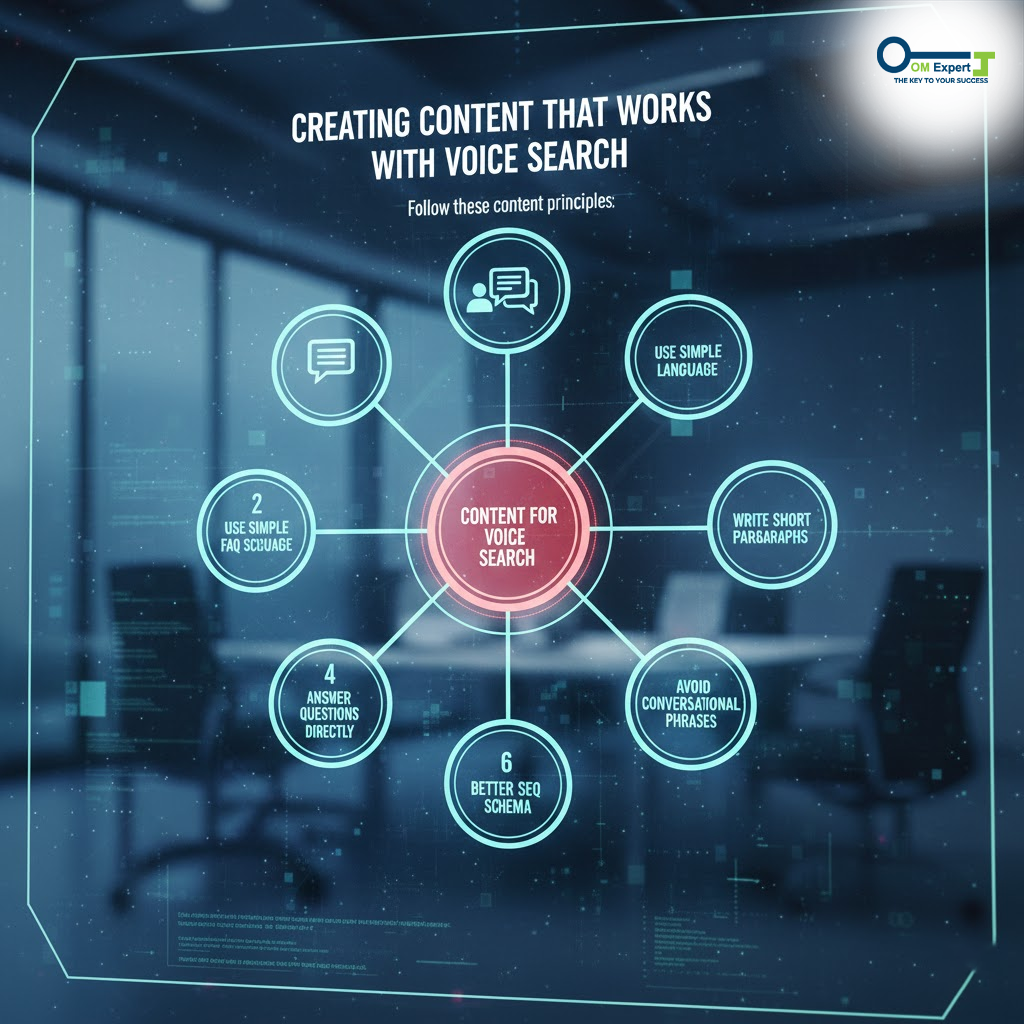
The schema alone is not enough. Your writing style matters too.
Follow these content principles:
- Use simple language
- Write short paragraphs
- Answer questions directly
- Include natural conversational phrases
- Avoid complicated jargon
Voice search works better with content that sounds natural when people speak it.
The goal of your writing should be to speak to actual people instead of following a pattern of excessive keyword usage.
That human approach, combined with structured data, creates strong results.
Measuring the Impact
You may not always see direct “voice search traffic” in analytics. But you can track:
- Growth in featured snippets
- Increase in rich results
- Improved click-through rates
- Higher visibility for question-based queries
Over time, these improvements signal that your structured data strategy is working.
Patience matters. A schema is a long-term investment.
Why This Is Truly the Missing Piece
Most SEO strategies cover:
- On-page optimization
- Technical performance
- Content marketing
- Link building
But they stop there.
They forget that search engines need structured clarity. They forget that voice search delivers single answers, not lists.
Without structure, your content competes. With structure, your content qualifies.
That is the difference.
Voice search schema markup bridges the gap between good content and machine understanding. It ensures your effort does not get lost in translation.
It aligns your website with how modern search works.
Conclusion
Search is becoming more conversational, more direct and more selective. If your website is not optimized for spoken queries, you are missing real opportunities.
Adding voice search schema markup is not complicated, expensive, or risky. It is strategic. It strengthens your SEO foundation and prepares your content for the future.
Businesses that act early gain long-term visibility. Catching up will be challenging if there are delays.
For voice inquiries, structured data is essential if you want your SEO effort to seem integrated rather than fragmented. You can look through more OM Expert resources for more in-depth analysis and helpful advice.
FAQ
1. Is voice search really important for small businesses?
Yes, especially for local businesses. Many voice searches are location-based, such as “best bakery near me” or “SEO expert near me.” If your website uses properly structured data, search engines can quickly understand your business details and show them in voice results. This gives small businesses a strong competitive edge without increasing ad spend.
2. Does voice search schema markup improve rankings directly?
Search engines use structured data to find content on your website, which helps them better understand your content. You can be eligible for rich results and featured snippets with structured data, which will raise your exposure and click-through rate.
3. Which pages should I optimize first for voice search?
Start with pages that answer clear questions. Blog posts with how-to guides, FAQ sections, service pages and local business pages are ideal. These pages naturally match conversational queries and benefit most from structured formatting.
4. Can I use Voice search schema markup without technical knowledge?
Yes. Many content management systems, like WordPress, offer plugins that make schema implementation simple. You can add the FAQ or HowTo schema without writing complex code. Making sure the markup appropriately reflects your visible content is crucial.
5. How long does it take for structured data to show results?
Results vary depending on your industry and competition. Some websites notice improved rich results within weeks, while others take a few months. Structured data is more effective when used as a long-term SEO strategy than as a temporary solution.