From Keywords to Intent: Best AI SEO Alternatives That Think Like Google
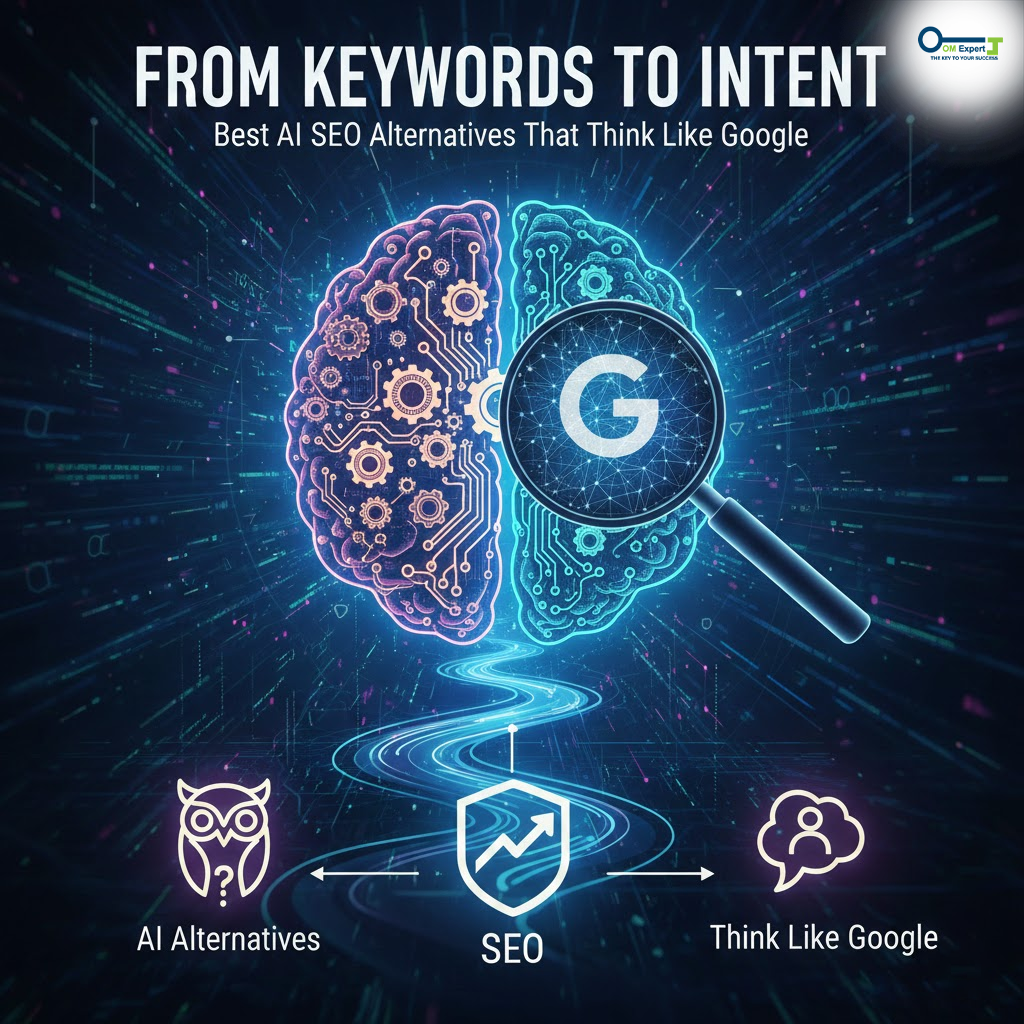
In the world of digital marketing, SEO is evolving fast. The days of simply stuffing keywords into content are gone. Today, search engines like Google are smarter than ever. They don’t just look for keywords, they aim to understand the intent behind every search query. This shift has opened the door for AI-powered solutions. In this article, we will explore the best AI SEO alternatives that think like Google and can help you create smarter, intent-driven strategies.
Nowadays, the foundation of successful SEO is an understanding of search intent. Marketers are examining user behavior, context and search intent rather than just keywords. AI algorithms make it easier to predict what visitors are searching for, what content will satisfy them and how to optimize pages for higher ranks. You may increase the effectiveness and efficiency of your SEO operations by using the appropriate tools.
Why Traditional Keyword-Based SEO Is No Longer Enough
Keywords dominated SEO for a long time. High traffic keywords were found by marketers, who then created content around them. This method is still important, but it doesn’t always give the whole picture. Google has shifted to evaluating search intent optimization, meaning it wants content that fulfills the user’s goal, not just content that repeats a phrase.
While some users search for “coffee maker maintenance tips” in order to find instructions, others may type “best coffee makers” in order to find reviews. Your content may rank lower if it is not in line with the underlying meaning, regardless of how well you optimized your keywords.
Here are some reasons why focusing on intent matters:
- Google now understands context and semantic meaning.
- Long tail searches are more common, making exact keywords less useful.
- AI and machine learning improve results by predicting user needs.
- User engagement metrics are increasingly important in ranking algorithms.
To put it briefly, knowing purpose gives you a competitive edge by ensuring that your content reflects what users are actually looking for.
What Are AI SEO Tools and How Do They Help
AI SEO tools are designed to think like Google. They examine patterns, context and relevance in addition to keyword tracking. These technologies reveal how users engage with information, what queries they pose and how search engines perceive their actions.
For example, keyword intent in SEO is no longer just about including the right words. AI can determine whether a query is transactional, navigational or informational and recommend content changes based on that classification. Other tools incorporate natural language processing SEO, helping content match conversational searches, voice queries and complex search patterns.
Some benefits of AI SEO tools include:
- Automating content analysis for relevance and quality
- Providing semantic and topic suggestions
- Predicting user engagement and intent
- Helping with contextual search optimization
By using AI, marketers save time and create content that is more aligned with Google’s standards.
Best AI SEO Alternatives to Consider
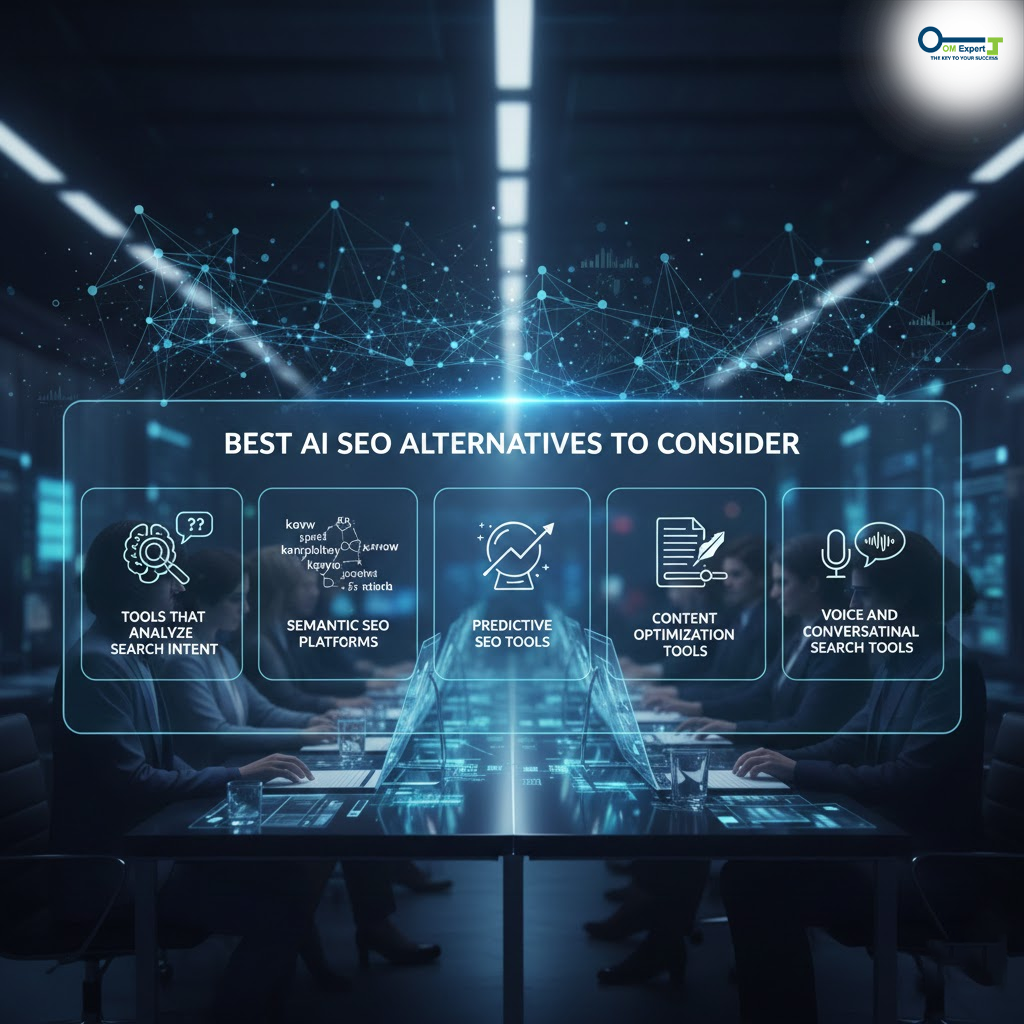
These are some of the Best AI SEO alternatives that can change your search optimization strategy if you want to stay ahead of the competition:
1. Tools That Analyze Search Intent
AI-driven platforms can examine thousands of queries and determine the Google search intent behind them. This helps create content that matches user goals, increasing the chances of ranking higher.
2. Semantic SEO Platforms
Semantic SEO tools help your content connect related concepts. Instead of focusing solely on a keyword, these platforms suggest topics that build authority on a subject. This method aligns with an intent-based SEO strategy and makes your content more Google-friendly.
3. Predictive SEO Tools
Some AI platforms use predictive analysis to anticipate future trends in searches. You may post content ahead of rivals and get high-intent traffic early with predictive search optimization.
4. Content Optimization Tools
AI that helps with AI content optimization checks readability, keyword placement and semantic relevance. These platforms ensure your content aligns with Google algorithm intent matching standards.
5. Voice and Conversational Search Tools
Voice search intent optimization is essential as smart devices proliferate. Spoken inquiries are analyzed by AI technologies, which then provide content optimization strategies for conversational searches.
How to Integrate AI Into Your SEO Strategy
Implementing Best AI SEO alternatives effectively requires a structured approach. Here are the steps to get started:
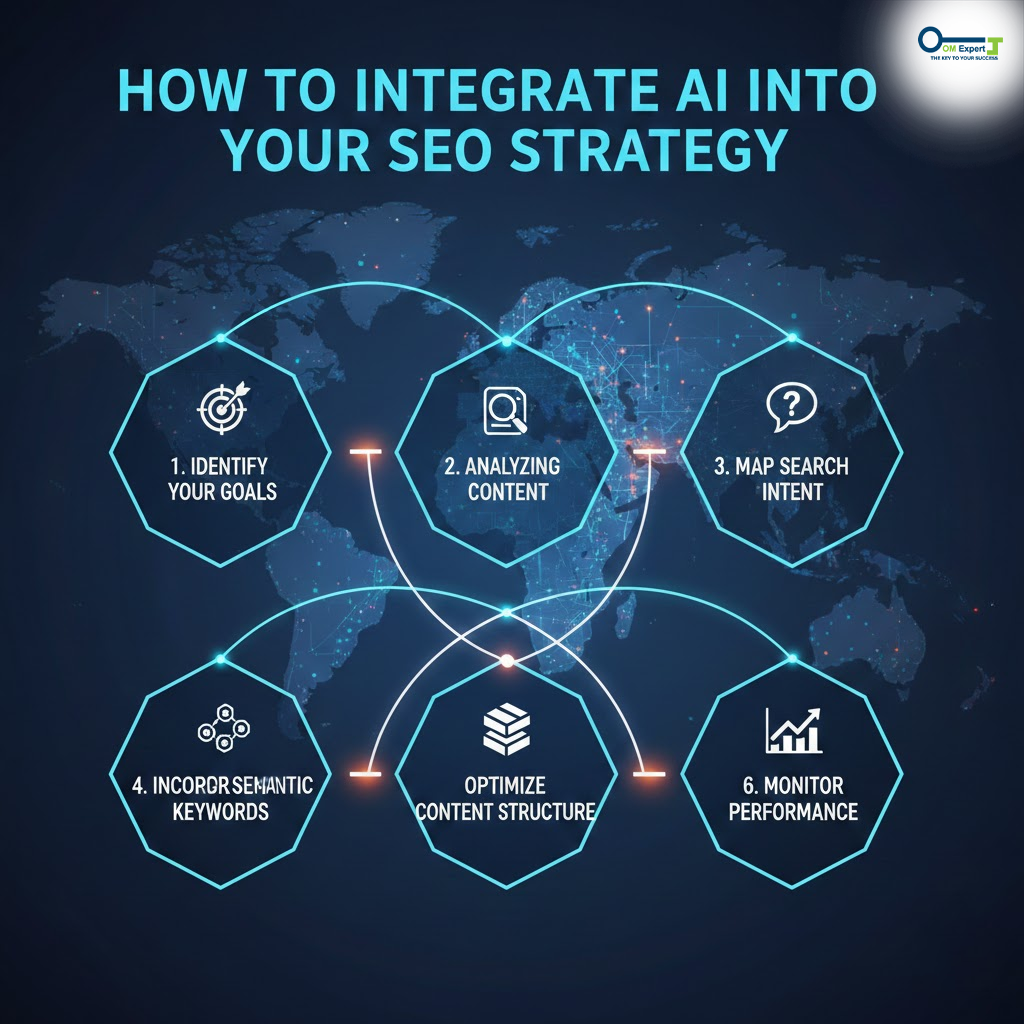
1. Identify Your Goals
Choose if you want to improve conversions, increase engagement or increase traffic. AI tools can be customized to accomplish particular goals. For instance:
- Concentrate on AI that recognizes long tail keywords and popular subjects if your objective is traffic.
- Use AI to make content recommendations, increase readability and improve user experience if engagement is your main objective.
- AI can determine which kinds of content generate leads or sales and suggest optimizations based on that information if your objective is conversions.
Clearly defining your goals ensures your AI tools work strategically rather than just producing data.
2. Analyze Existing Content
Before creating new content, review your current pages. Use AI to check which pages already match user intent and which need improvement. Consider these actions:
- Replace out-of-date content with current, useful information.
- Determine which pages are popular yet have high bounce rates, then improve them.
- Combine or eliminate thin stuff that isn’t useful.
This step allows you to focus on content relevance optimization, ensuring your site provides real value to visitors.
3. Map Search Intent
To provide information that appeals to consumers, it is essential to comprehend search intent. AI systems are able to classify inquiries as transactional, commercial or informational. After you understand the purpose:
- Informational: Create guides, tutorials or blog posts that educate users.
- Commercial: Compare products, provide reviews or recommend solutions.
- Transactional: Use landing pages with clear calls to action to drive conversions.
Mapping search intent ensures every piece of content serves a purpose and aligns with what users are actually looking for.
4. Incorporate Semantic Keywords
Move beyond exact match keywords. AI tools can suggest related phrases, synonyms and contextually relevant terms. This improves topical authority and helps search engines understand your content better.
- Use clusters of related keywords naturally within paragraphs.
- Include questions or common phrases users search for.
- Link internally to related articles to strengthen your content network.
Semantic optimization makes your content more comprehensive and improves visibility for a wider range of queries.
5. Optimize Content Structure
AI can analyze headings, paragraph flow and readability. Well-structured content keeps readers engaged and satisfies Google’s user experience signals. Consider:
- Breaking long paragraphs into short, digestible sections.
- Using numbered or bulleted lists to highlight key points.
- Adding descriptive headings with relevant keywords to guide readers.
A clear structure ensures visitors stay longer, which positively impacts rankings.
6. Monitor Performance
Tracking results is crucial to understanding what works. Use AI tools to monitor user engagement, bounce rates, click-through rates and ranking changes. Actionable steps include:
- Identifying content that drives conversions and expanding it.
- Testing different titles or meta descriptions to improve CTR.
- Adjusting content based on high-intent search queries and emerging trends.
Regular monitoring ensures your AI SEO strategy adapts over time, keeping your content competitive.
Advantages of Best AI SEO Alternatives
Choosing the best AI SEO alternatives offers several benefits over traditional methods. Here are the key advantages:
- Time Efficiency: AI tools can analyze data faster than humans, allowing marketers to focus on strategy and creativity.
- Better Keyword Insights: AI can identify long tail keywords and high intent search queries that traditional tools may miss.
- Content Quality Improvement: Tools that use natural language processing SEO help create human-readable, high-quality content.
- Adaptation to Google Updates: AI-driven platforms quickly adapt to changes in algorithms, keeping your SEO efforts relevant.
- Enhanced User Experience: AI makes sure that material is in line with what readers desire by interpreting user intent signals, which increases engagement.
Long Tail Keywords and AI Optimization
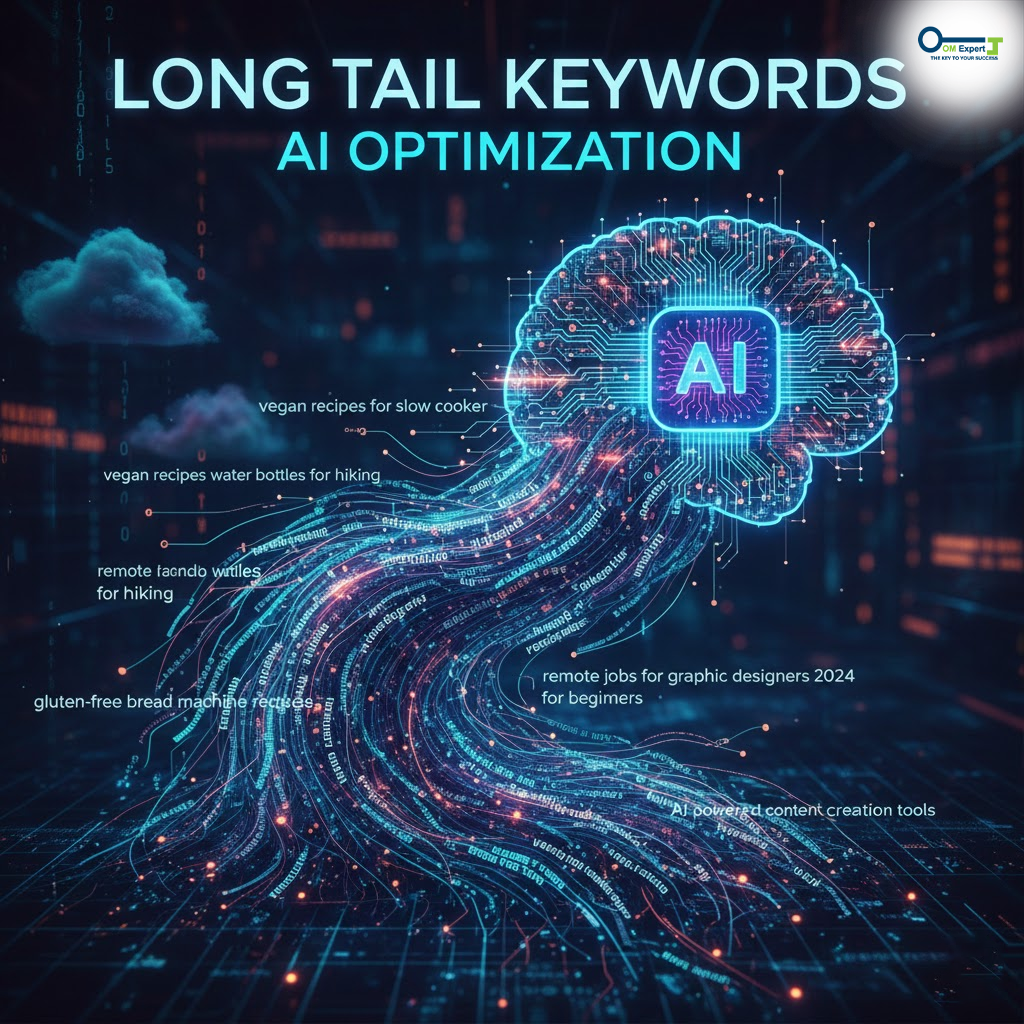
Long tail keywords remain an essential part of modern SEO. They are highly specific and often indicate stronger user intent. Marketers may create content that perfectly satisfies user wants by integrating long-tail intent keywords with AI insights.
For example:
- Instead of targeting “SEO tools,” an AI tool may suggest “best AI SEO alternatives for small businesses in 2026.”
- Instead of “digital marketing tips,” you might optimize for “AI powered content optimization tips for e-commerce.”
Using AI in this way increases your chances of capturing intent-driven traffic and ranking higher in search results.
Predictive SEO and User Intent Optimization
The SEO landscape is moving toward AI-first strategies. The future of SEO will focus less on keyword density and more on content relevance, user satisfaction and contextual understanding. Platforms that provide topic authority SEO and semantic insights are becoming essential for any serious marketer.
Predictive algorithms, conversational inquiries and voice search will be more important in content discovery. Machine learning in SEO is able to predict these patterns and recommend optimizations before rivals do.
Best Practices for Using AI SEO Tools
Even the best AI SEO alternatives need human guidance. The following are some recommended practices:
- Do not depend only on AI: Use it as a guide, but add your expertise to ensure content is engaging.
- Emphasis on intention: The content should always be driven by the purpose of the user, not just the target search terms.
- Use your metrics correctly: Focus on engagement metrics and time on site as well as conversion rates instead of just rankings.
- Make text natural: AI may provide a suggestion, but a natural tone makes text readable.
- Regular updates: AI techniques are helpful, but the material needs to be up to date because search engines update frequently.
Examples of AI SEO Alternatives in Action

Here are some ways marketers use AI today:
- Topic Clusters for Semantic Search: Organizing Connected Articles into Authority Content Clusters.
- Voice Search Optimization: Optimizing FAQs and heading tags for voice searches.
- Predictive Ranking Analysis: Foreseeing which search terms will attract traffic in the coming month.
- Automatic Content Suggestions: AI suggests headlines, topics and meta descriptions.
These examples reflect how AI is not a future notion but a reality used to complement conventional SEO.
Conclusion
Your strategies need to change along with SEO. The emphasis now is on comprehending search intent and providing value that aligns with user objectives rather than merely keywords. Marketers may produce content that thinks like Google, optimizes for context and satisfies the changing requirements of contemporary search engines by utilizing the best AI SEO alternatives. Compared to conventional techniques, these solutions increase content relevancy, boost ranks and assist in capturing high-intent traffic more successfully.
Platforms like OM Expert can offer advice and solutions specific to your digital marketing requirements if you wish to apply these tactics successfully.
FAQ
1. What are AI SEO alternatives?
AI SEO alternatives are tools that use artificial intelligence to optimize content according to search intent.
2. How does AI understand intent?
AI analyzes user behavior, context, and patterns to predict what searchers are really looking for.
3. Which tools improve search rankings?
Tools like predictive SEO and semantic platforms help align content with Google’s ranking algorithms effectively.
4. Why use semantic SEO tools?
Semantic SEO tools connect related topics, improving topical authority and matching content to user intent.
5. Can AI boost organic traffic?
Yes, AI-driven SEO tools optimize content and keywords to attract high-intent and targeted organic traffic.