ChatGPT Ad Trends Show Clarity Is Beating Creativity
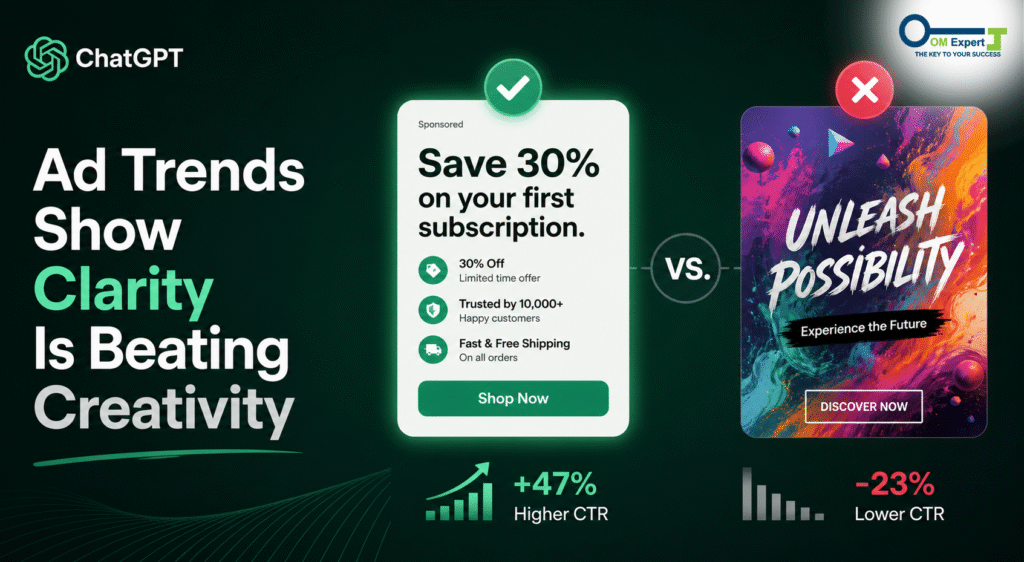
The internet advertising market is quickly changing. AI has made it possible for ads to rely on more than simply creativity and catchy words. Now, businesses and advertisers can no longer rest on these attributes alone; success is now being dictated by clear, helpful, and relevant advertising. To understand this shift best, let’s use one compelling idea ChatGPT Ad Trends demonstrates that clarity has defeated creativity.
Brands previously sought to surprise people with innovative campaigns. Today, their attention is shifting to solving their problems or responding to their inquiries. Driven by AI technologies like ChatGPT, which interpret user requests and generate relevant responses in the moment, the evolution of advertising practices in relation to this has continued. What you need to know about the growing ChatGPT Ad Trends trend and how to stay on top of this fast-growing field will be explored in this blog.
The Rise of ChatGPT Ad Trends
How AI Is Changing the Way Ads Work
AI has become a central force in modern digital marketing. Instead of relying on broad, one-size-fits-all campaigns, brands now use AI to better understand user behavior, analyze large amounts of data, and optimize advertising performance in real time. This shift allows companies to deliver more meaningful and effective advertising experiences.
ChatGPT Ad trends are mainly focused on personalization and automation. AI systems can track user interests, browsing patterns, and purchase history to predict what a person is most likely to engage with. As a result, ads are no longer static messages shown to everyone; they are dynamically adjusted to match individual preferences, timing, and intent.
From Traditional Ads to Smart Ads
In the past, advertising was mostly traditional and uniform. Brands created a single message and distributed it across TV, print, or online platforms with limited targeting. Success depended more on reach than precision.
Now, with AI-powered advertising trends, the approach has become much more advanced. Ads are:
- More relevant, because they are tailored to user interests and behavior
- More personalized, because they adapt to individual preferences in real time
- More data-driven, because decisions are based on analytics and predictive models
This transformation has made advertising significantly more efficient, reducing wasted impressions while increasing engagement, conversions, and overall return on investment.
Why Clarity Is Winning Over Creativity
Understanding the Shift
For many years, creativity was the main focus of advertising. Brands wanted to stand out with unique ideas. But now, users are looking for clear answers. That’s why ChatGPT ad trends are focused on clarity.
People want:
- Simple explanations
- Direct answers
- Useful information
The Role of User Intent
AI tools understand what users are searching for, helping brands create ads that better match user intent. Instead of showing random or general ads, AI focuses on what the user actually needs or is interested in at that moment.
This is where contextual advertising AI plays an important role. It ensures that ads appear at the right time, in the right place, and with the right message, making them more relevant and effective for the user.
Conversational Advertising Is the Future
What Are Conversational Ads?
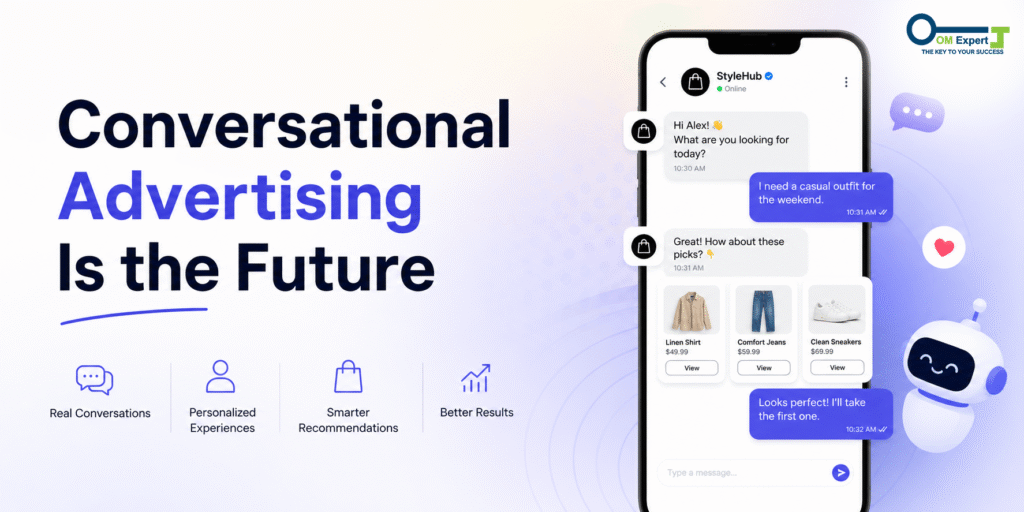
Conversational ads are designed to feel like a real conversation. Instead of pushing a message, they interact with users. This is one of the fastest-growing conversational ads trends.
Why It Works?
People trust conversations more than traditional ads. That’s why conversational marketing trends are becoming popular. These ads:
- Answer questions instantly
- Build trust
- Improve engagement
How ChatGPT Is Transforming Marketing
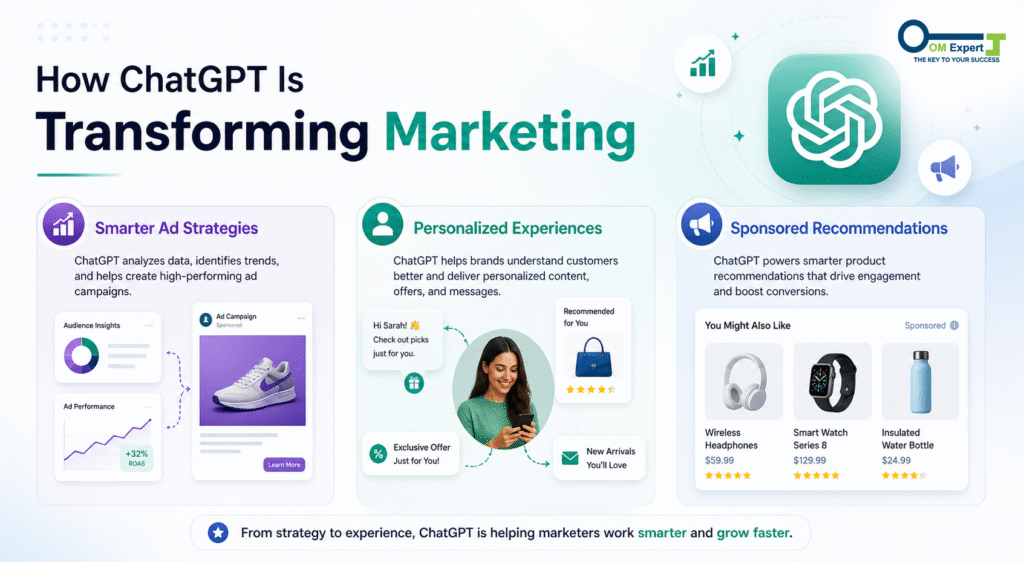
Smarter Ad Strategies
With AI tools, brands can create better campaigns. A strong ChatGPT ads strategy focuses on delivering value rather than just promotion.
Personalized Experiences
One of the biggest advantages of AI is personalization. With AI ad personalization trends, every user sees content that matches their needs.
This improves:
- Click-through rates
- Engagement
- Conversions
Sponsored Recommendations
A new trend is ChatGPT sponsored recommendations. These are subtle, helpful suggestions placed within conversations. They don’t feel like ads. Instead, they feel like advice.
The Power of Generative AI in Advertising
Creating Content at Scale
Generative AI has made it possible to create ads, marketing copy, and visuals in a very short time. Instead of spending hours or days on content creation, brands can now generate multiple variations instantly. This is why generative AI ad trends are growing rapidly, as businesses use these tools to scale their marketing efforts more efficiently.
Better Ad Copy
With AI, writing ad copy has become faster, easier, and more effective. AI-powered tools help create messages that are clear, simple, and highly relevant to the target audience. Current AI ad copywriting trends focus on improving engagement by using natural language, emotional appeal, and personalized messaging that matches user intent.
Continuous Improvement
AI systems continuously learn from user data and campaign performance. This enables dynamic ad optimization AI, where ads are automatically adjusted and improved over time. As a result, campaigns become more efficient, delivering better performance, higher engagement, and improved return on investment without constant manual effort.
Understanding the New Ad Ecosystem
The Evolution of Paid Ads
The way ads are delivered is changing. The ChatGPT paid ads evolution shows a shift toward smarter, more helpful advertising.
Data-Driven Campaigns
Modern campaigns rely on data. With AI-driven campaign trends, brands can make better decisions.
Targeting the Right Audience
AI makes targeting more accurate. ChatGPT ad targeting trends help businesses reach the right people at the right time.
Semantic Search and Advertising
What Is Semantic Search?
Semantic search is a technology that understands the meaning behind a user’s query instead of focusing only on exact keywords. It analyzes context, intent, and relationships between words to deliver more accurate and relevant results. This is why semantic search advertising is becoming increasingly important in modern digital marketing.
Better User Experience
With AI-powered systems, ads are now more relevant and better aligned with user needs. Instead of showing unrelated promotions, semantic understanding helps deliver ads that match what the user is actually looking for. This improves the overall browsing experience, reduces annoyance, and builds greater trust between users and brands.
Engagement and Performance in AI Ads
Improving Engagement
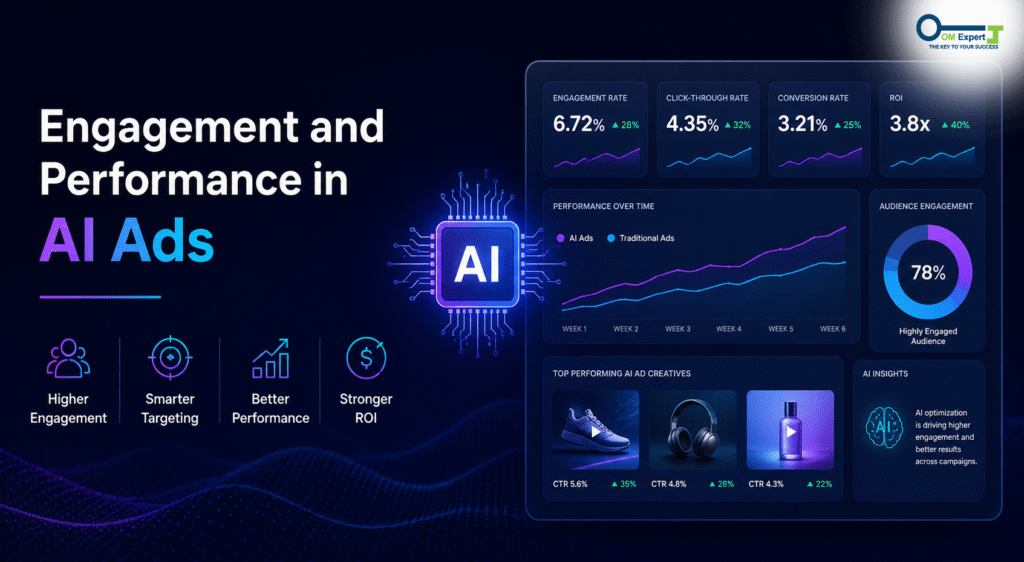
Modern advertising focuses on interaction rather than just visibility. AI ad engagement trends show that users respond better to ads that feel natural, personalized, and conversational. Interactive formats and smarter targeting help keep users more engaged and interested.
Measuring Success
AI has also made it easier to track and analyze ad performance. Brands can now measure clicks, conversions, and user behavior in real time to understand what works and what doesn’t. ChatGPT ad performance trends and similar AI-driven insights help marketers optimize campaigns, improve decision-making, and achieve better results over time.
Generative Engine Optimization
A New Approach to Visibility
Search engines are rapidly evolving from traditional keyword-based systems into AI-driven answer engines. Instead of simply ranking links, generative systems create direct responses using multiple sources of information.
Generative engine optimization (GEO) is an emerging approach that focuses on structuring and designing content so it can be easily understood, selected, and cited by AI-powered platforms and generative search models. The goal is no longer just ranking on a search results page, but becoming part of the AI-generated answer itself.
How GEO Works
GEO involves optimizing content in a way that makes it more useful for AI systems to interpret. This includes clear explanations, well-structured information, natural language phrasing, and authoritative, relevant context. Content that is easy for AI models to break down and summarize has a higher chance of being included in generated responses across chatbots, AI assistants, and new search interfaces.
Why It Matters?
GEO ensures that your content:
- Appears in AI-generated responses across search and chatbot platforms
- Reaches the right audience through contextual and intent-based retrieval
- Stays relevant in a search landscape that prioritizes meaning over keywords
- Builds long-term visibility as AI systems increasingly replace traditional search results
As AI continues to reshape how people find information, GEO is becoming a key strategy for maintaining visibility, credibility, and influence in digital spaces.
The Future of AI-Native Advertising
A New Advertising Model
We are entering a new era of AI-native advertising trends. These ads are built specifically for AI platforms.
The Growing Ad Ecosystem
The ChatGPT ad ecosystem includes:
- Conversational platforms
- AI assistants
- Smart recommendation systems
What Lies Ahead
The future of AI advertising will focus on:
- Personalization
- Automation
- User experience
Chatbot Advertising and Innovation
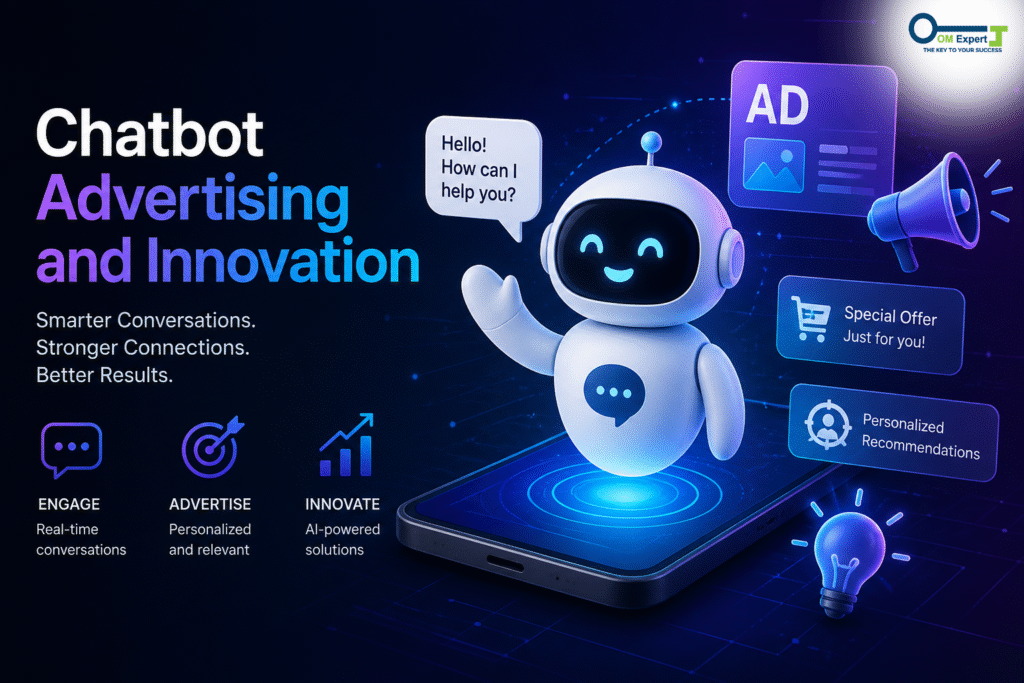
Chatbot advertising trends are becoming an increasingly important part of modern digital marketing strategies. Businesses now use chatbots not only for customer support but also as interactive advertising tools that can guide users through products, answer questions instantly, and even influence purchasing decisions.
The Role of Chatbots
Chatbots are becoming a key part of marketing because they improve user experience and increase engagement. They can operate 24/7, respond instantly to customer queries, and provide tailored recommendations based on user behavior. This makes them highly effective for lead generation, customer retention, and even sales conversion. As a result, businesses are integrating chatbots across websites, social media platforms, and messaging apps to create smoother and more interactive customer journeys.
Continuous Innovation
With ongoing AI marketing innovations, chatbot technology is evolving rapidly. Recent advances in natural language processing, machine learning, and generative AI are enabling chatbots to better understand context and respond in more human-like ways.
These improvements are leading to smarter automation, more accurate personalization, and more creative marketing strategies. As innovation continues, chatbots are expected to become even more central to how brands communicate, advertise, and build long-term customer relationships.
Conclusion
The advertising world is changing in a powerful way. ChatGPT Ad Trends clearly show that clarity, relevance, and usefulness are now more important than creativity alone. Brands that focus on helping users, answering questions, and providing value will succeed in this new era. AI is not just a tool; it is a complete transformation of how marketing works.
As businesses adapt to these changes, those who embrace clarity and smart strategies will stay ahead of the competition. For businesses looking to understand and apply these ChatGPT Ad trends effectively, platforms like OM Expert can help guide the way forward in this evolving digital landscape.
FAQs:
1. What are ChatGPT Ad Trends?
ChatGPT Ad Trends refer to the latest changes in digital advertising driven by AI tools like ChatGPT. These trends focus on clear communication, personalized content, and conversational interactions instead of traditional creative ads.
2. Why is clarity more important than creativity in modern advertising?
Today’s users want quick and clear answers. According to ChatGPT Ad trends, ads that are simple, direct, and helpful perform better than overly creative or complex ads.
3. How does AI improve ad personalization?
With AI ad personalization trends, AI analyzes user behavior, interests, and search intent to show highly relevant ads. This helps businesses connect better with their audience and improve conversions.
4. What is conversational advertising?
Conversational advertising is part of conversational marketing trends, where ads interact with users like a real conversation. These ads answer questions, offer suggestions, and build trust rather than just promoting products.
5. What is Generative Engine Optimization?
Generative engine optimization is a new strategy that helps content appear in AI-generated responses. It focuses on creating clear, useful, and structured content for AI platforms.