
Automating SEO Workflows: A Smarter Way to Scale Search Growth

SEO has changed a lot in the last few years. What once depended heavily on manual checks, spreadsheets, and endless follow-ups is now moving toward smarter systems. Businesses today want faster results, cleaner processes, and better use of their team’s time. This is exactly where automating SEO workflows becomes a game-changer.
Instead of handling keyword research, audits, reporting, and tracking separately, automation brings everything together. It reduces errors, saves hours of effort & helps teams focus on strategy rather than routine tasks. Automated systems can help you scale SEO without burning out your team, whether you are an agency, a growing startup, or an enterprise brand.
In this blog, we will explore how automation is transforming SEO, why it matters, and how you can build efficient workflows that deliver consistent results.
What Does Automating SEO Workflow Really Mean
Automating SEO workflow means using technology to handle time-consuming SEO tasks with minimal human effort at its core. You set up systems that run on their own instead of doing things manually every time.
This does not remove human decision-making. Instead, it supports it. Automation handles the execution while SEO experts focus on planning, optimization, and creative work. From keyword discovery to performance tracking, workflows can be designed to run smoothly in the background.
A good automated workflow connects tools, data and actions in a logical sequence. This ensures that nothing is missed and every SEO task follows a clear process. Over time, this leads to better consistency and stronger outcomes.
Why SEO Teams Are Moving Toward Automation

SEO today is no longer a small set of tasks handled once in a while. It involves keyword research, content planning, technical checks, performance tracking, reporting & regular updates. It takes a lot of time & often leads to delays when all of this is done manually. Teams struggle to keep up, especially when managing multiple pages, keywords, or clients at the same time.
Some key reasons teams prefer automation include:
- Time savings across daily tasks
Automation reduces hours spent on repetitive actions like data collection, reporting and monitoring. This allows SEO teams to spend more time on analysis & planning rather than execution.
- Improved accuracy & consistency
Manual work often leads to errors, especially at scale. Automated systems follow defined rules, ensuring tasks are completed the same way every time without mistakes.
- Better scalability for growing websites
SEO complexity increases as websites grow. Automation helps manage large volumes of keywords, pages and data without adding more manpower.
- Clearer workflows and team collaboration
Automation brings structure to SEO processes by defining clear steps and responsibilities. This improves collaboration between SEO, content, and technical teams, ensuring everyone stays aligned and work progresses without confusion.
These benefits make automation less of a luxury & more of a necessity for SEO teams that want to stay competitive and efficient in a fast-paced digital environment.
Core SEO Tasks That Can Be Automated Easily

Not every SEO task needs manual involvement. Many processes can be automated without losing quality. Automating SEO workflow usually starts with identifying tasks that follow a clear pattern.
Common tasks suitable for automation include:
- Keyword research and expansion
Tools can generate keyword ideas, group them by intent and suggest opportunities based on search trends. This reduces manual brainstorming and speeds up planning.
- On-page checks and audits
Automated systems can scan pages for missing tags, broken links, slow loading issues and technical errors on a regular basis.
- Performance monitoring and alerts
Rankings, traffic changes & indexing issues can be tracked automatically with alerts sent when something needs attention.
SEO teams can respond faster and work more efficiently when these tasks run on autopilot.
Building Efficient SEO Pipelines Step by Step
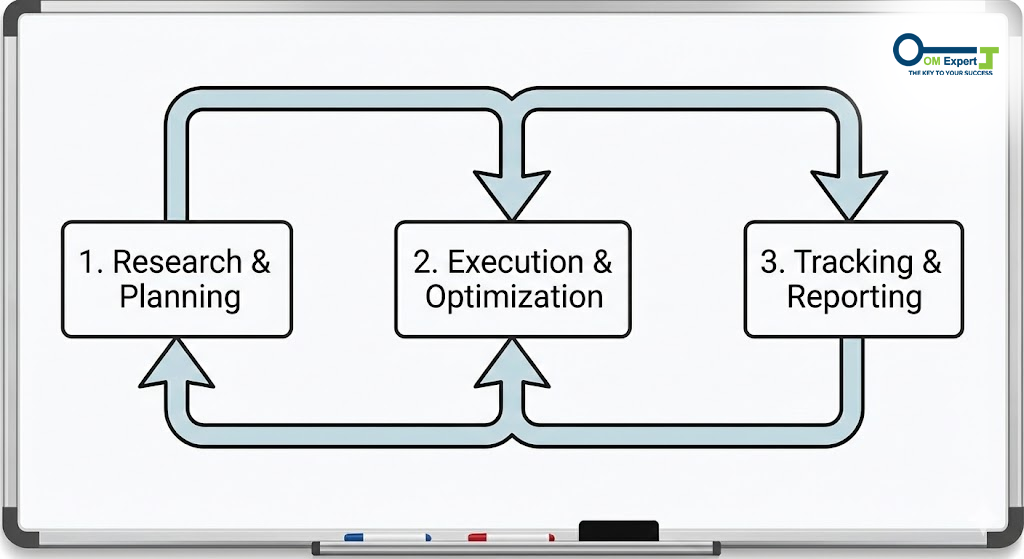
A strong SEO setup depends on clear pipelines. Automating SEO workflows allows teams to build repeatable systems where each task flows into the next.
A typical SEO pipeline may include:
- Research and planning stage
This stage focuses on collecting keyword data, competitor insights and content opportunities. Automation ensures fresh data is always available.
- Execution and optimization stage
Once tasks are defined, workflows push them into content creation, technical fixes, or on-page updates without manual follow-ups.
- Tracking and reporting stage
Automated reports gather performance data and present it in simple dashboards, saving time & improving transparency.
Well-designed pipelines reduce the confusion and help teams work with clarity and focus.
How AI Is Changing SEO Automation
AI is playing a major role in how modern SEO automation works today. Earlier, automation was mostly rule-based and limited to fixed actions. Now, AI brings learning and decision-making into the process. It observes patterns, understands behavior, and improves results over time. This shift has made automating SEO workflows more flexible, smarter, and far more effective for long-term growth.
AI can help with:
Content automation and optimization
AI tools can assist with content outlines, topic suggestions and optimization recommendations based on search intent.
SERP analysis and forecasting
AI can study search results and predict ranking opportunities, helping teams focus on keywords with higher potential.
Workflow optimization
AI workflows can identify bottlenecks and suggest changes to improve efficiency across the SEO process.
This combination of automation and intelligence helps SEO teams stay competitive in fast-changing search environments.
Automating Keyword Research and Clustering

Keyword research is one of the most time-intensive parts of SEO. Automating this process improves speed and depth. With auto keyword research, teams can discover opportunities faster and with better structure.
Automation supports:
- Keyword clusters based on intent
The tools group related keywords together based on search intent, making it easier to plan content that matches what users are actually looking for. This also improves internal linking and helps search engines understand content relationships more clearly.
- Auto keyword ideas at scale
Automated systems pull keyword data from multiple sources and generate fresh ideas on a regular basis. This ensures teams always have new opportunities to explore without spending hours on manual research.
- Prioritization based on data
Keywords are automatically sorted by difficulty, search volume, relevance and potential impact. This helps teams focus on keywords that offer the best balance between effort and results.
- Trend and opportunity detection
Automation can highlight rising keywords and emerging topics before they become highly competitive. This allows businesses to create content early and gain an advantage in search results.
- Consistent keyword mapping
Automated tools help assign keywords to the right pages, avoiding duplication and confusion. This creates a cleaner site structure and improves overall SEO performance.
This approach ensures keyword research stays updated and aligned with business goals.
Rank Tracking and Reporting Without Manual Effort
Tracking rankings daily is exhausting when done manually. Auto rank tracking solves this problem by monitoring keyword positions automatically across locations and devices.
Benefits of automated rank tracking include:
- Real-time visibility into performance
Teams can see ranking changes as they happen and react quickly to drops or gains.
- Clear performance reports
Automated reports summarize progress in easy-to-understand formats, saving hours of manual work.
- Integration with other SEO workflows
Rank data feeds into broader SEO pipelines, helping teams connect performance with actions taken.
This makes reporting more reliable and less stressful for SEO professionals.
Creating a Strong SEO Tool Stack With Automation
A powerful SEO tool stack brings multiple tools together into one system. Automating SEO workflows ensures these tools communicate and work as one unit.
A good automated SEO tech stack often includes:
- Workflow tools for task automation: These manage automated SEO tasks like audits, tracking and notifications.
- SEO integration across platforms: Tools connect with analytics, content systems and reporting dashboards for seamless data flow.
- Automation tools for scalability: The system expands without extra manual effort as projects grow.
- This unified approach improves efficiency and reduces dependency on disconnected tools.
- Automating Site Audits and SEO Bot Tasks: Regular audits are critical for SEO health. Auto site audit systems scan websites continuously and identify issues early.
Automation helps with:
- Technical issue detection: – SEO bot tasks identify broken links, crawl errors and performance problems automatically.
- Prioritized action list: – Issues are ranked by impact, helping teams focus on what matters most.
- Ongoing monitoring: – Automated checks ensure new issues are caught quickly without manual scans.
This keeps websites healthy and search-friendly at all times.
Content Workflow Automation for Faster Publishing
Content plays a major role in SEO success. Content workflow automation ensures ideas move smoothly from research to publishing.
Automated content workflows support:
- Content planning and assignment: Tasks are assigned automatically based on keyword clusters and priorities.
- Optimization checks before publishing: Automated tools ensure content meets SEO standards before going live.
- Performance tracking after publishing: Content results are tracked automatically to guide future improvements.
This structure helps teams publish consistently without chaos.
Real Benefits of Automating SEO Workflows for Businesses
Automating SEO workflow makes long-term value for businesses of all sizes when implemented thoughtfully. It’s not just about saving time but about building a system that works consistently daily. Automation helps teams handle complex SEO tasks, reduces dependency on manual effort & ensures that nothing important slips through the cracks. Over time, this leads to smoother operations, stronger results & a more predictable SEO performance.
Key benefits include:
- Faster execution & turnaround
Automation removes unnecessary delays from daily SEO tasks & keeps work moving without interruptions. Tasks like audits, tracking & reporting run automatically in the background, which speeds up execution. Teams no longer wait for manual updates or approvals, allowing them to act quickly on insights and opportunities.
- Better decision-making with data
Automated reports collect data from multiple sources & present it in a clear and organized way. This gives the team a better understanding of what is working and what needs improvement. Decisions are based on facts rather than assumptions, leading to more effective SEO strategies with consistent & accurate data.
- Stronger collaboration across teams
Clear and automated workflows improve coordination between SEO, content and technical teams. Everyone knows their role, deadlines and priorities without constant follow-ups. This reduces confusion, improves accountability and helps teams work together more efficiently toward shared goals.
- Lower operational costs over time
Businesses can cut down on unnecessary resource usage by reducing manual work. Automation allows teams to handle more projects without increasing headcount. Over time, this leads to better cost control while maintaining high-quality SEO execution.
- Consistent performance and fewer errors
Automated processes follow the same rules every time, which reduces the risk of human mistakes. From keyword tracking to site audits, tasks are completed consistently and accurately. This reliability helps maintain SEO health and ensures steady performance across campaigns.
These advantages help businesses stay competitive & adapt faster to changes and build a strong foundation for long-term SEO growth.
Conclusion
SEO is no longer about doing more work. It is about doing smarter work. Automation helps businesses simplify complex processes & focus on growth rather than routine tasks. Teams increase speed, clarity & confidence in their SEO efforts when workflows are automated. Automation creates a system that runs smoothly & delivers consistent value from research to reporting. The right automation platform makes all the difference for businesses looking to scale SEO without increasing workload. Visit OM Expert to explore a complete solution built for modern SEO teams.
FAQs
1. What are automated SEO workflows?
They are systems that handle repetitive SEO tasks automatically to save time and improve efficiency.
2. How does automating SEO workflows help SEO teams?
It reduces manual work, improves accuracy, and helps teams focus on strategy instead of routine tasks.
3. Can keyword research be automated?
Yes, tools can generate keyword ideas, cluster them, and prioritize opportunities automatically.
4. Is setting up SEO automation difficult?
Most tools offer simple setups and integrations, making automation easy to start.
5. Will SEO automation continue to grow in the future?
Yes, automation is becoming essential as SEO moves toward data driven workflows.